
TypeScript your guard rails for software development. It does not build the application for you, and it does not decide what you want to create. Instead, it helps guide you while you build, warning you when something is incorrect and reducing the chance of small mistakes turning into larger bugs.
What is TypeScript?
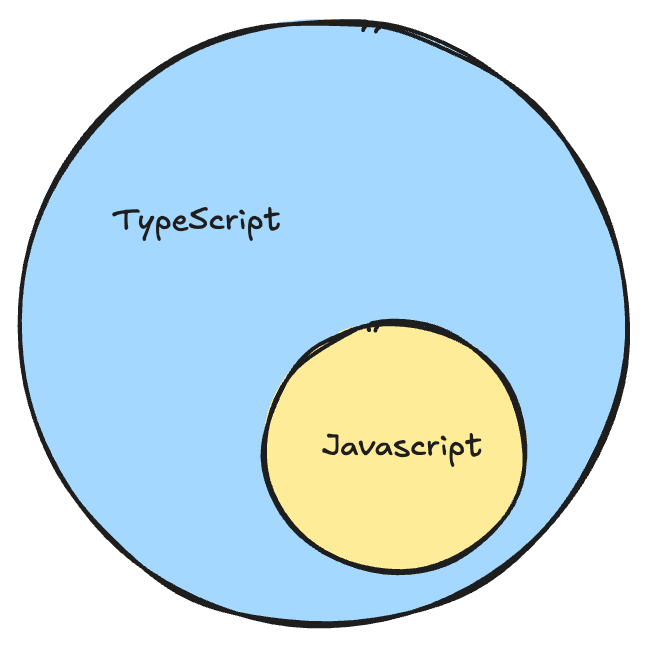
TypeScript is a language from Microsoft built on JavaScript. Normal JavaScript can live inside a TypeScript project. It adds static types, interfaces, and type checking on top of that familiar JavaScript base. The TypeScript compiler then turns TypeScript source into ordinary JavaScript so browsers and tools such as Node.js can run it.
At edit time, good editors connect to TypeScript to point out wrong types, incorrect function calls, and missing fields. Problems surface before the code runs, which matters most when applications grow larger and teamwork increases.
Along with types and tooling, clearer structure becomes easier to maintain. The sections below outline traits, adoption, contrasts with other languages, and clear classification details (typing model, object oriented support, abstraction level, and how code is compiled and executed).
The Characteristics That Make TypeScript Stand Out
TypeScript is known for predictable structure and tooling that scales.
- Optional static typing: Developers add types where they matter. Checking runs while editing and when the project builds, instead of waiting for silent runtime surprises.
- Type inference: The checker can derive many types from values and return paths, which limits noisy boilerplate compared with typing every tiny local by hand.
- Interfaces and type aliases: Data shapes and contracts stay explicit so teams share the same picture of APIs and models.
- Classes and generics: Object oriented patterns and reusable abstractions stay first class helpers for libraries and frameworks.
- JavaScript interoperability: Existing libraries work through wrapper types or loosened declarations, so gradual adoption stays practical.
- Good editor integration: Autocomplete, safe refactors, and inline explanations come from accurate type knowledge.
This small fragment shows typed data next to ordinary JavaScript style logic.
The checker knows the shape of a Book and the return type of formatTitle:
type Book = {
  title: string;
  year: number;
};

function formatTitle(book: Book): string {
  return `${book.title} (${book.year})`;
}

console.log(formatTitle({ title: "Zero to One", year: 1962 }));
If the object passed to formatTitle misses year, or passes a string where
year expects a number, TypeScript surfaces that before runtime.
Taken together, these traits reduce defects, speed refactors, and help large bases stay coherent.
Where TypeScript Is Used in the Real World
TypeScript spreads wherever JavaScript already runs plus many places that crave steady collaboration.
Large websites and single page applications commonly pair TypeScript with React, Angular, or Vue and stacks such as Next.js or Remix. Backend teams use it with Node.js frameworks like NestJS or Express with typed handlers. Desktop apps built with Electron, developer tools, and VS Code style plugins also lean on TypeScript because scale and refactoring safety matter.
Concrete examples:
- Internal dashboards and customer portals at SaaS vendors (for example Shopify publishes strong TypeScript heavy engineering stories).
- Microsoft ships TypeScript itself and consumes it across web properties and tools.
- Companies such as Airbnb and Slack have described TypeScript at scale inside web products (policies evolve, yet the ecosystem trend is firmly toward typed frontend codebases).
In short: teams that rely on evolving JavaScript codebases adopt TypeScript when complexity, collaboration, and long lived maintenance outweigh the upfront investment.
How TypeScript Differs from Other Languages
Side by side contrasts make the pattern clearer than long paragraphs alone. The table lists common dimensions, entries are typical workflows, not every possible edge case.
| Topic | TypeScript | JavaScript | Python | Java |
|---|---|---|---|---|
| Static checks before run | Yes, via the compiler and editor | No static phase for the whole language; types exist at runtime only | Optional, with separate tools (e.g. type checkers) | Yes, enforced at compile time |
| Default route to browser SPA code | Transpile to JavaScript | Write JavaScript directly | Not the usual production path | Not the usual production path |
| Value typing style | Structural types plus classes | Dynamic objects | Dynamic values; optional hints | Mostly nominal classes/interfaces |
| Managed runtime for deployment | Browser or Node through emitted JS | Browser or Node VM | CPython or other VMs | JVM bytecode |
TypeScript sits on the JavaScript platform: it preserves the same deployment target but adds a checking step and richer type syntax before the JavaScript ships. Java and Python excel on their own VMs and tooling paths. Yet, TypeScript’s distinct mix is typed authoring for the NPM and browser world, not a replacement for those platforms.
TypeScript in Simple Terms
Statically typed or dynamically typed?
Statically typed in practice. TypeScript checks types before shipped
JavaScript runs. Runtime behavior stays JavaScript, which remains dynamic once
deployed, yet authoring TypeScript implies accepting those ahead of runtime
signals as the norm. Loose escape hatches (any) exist, but disciplined teams
narrow their use precisely because the language’s value sits in predictable
constraints.
Object oriented programming support?
Yes. Classes with inheritance (extends), access modifiers (private,
public, …), interfaces describing contracts, and patterns such as generics
show direct OOP influence. Structural typing mixes with nominally named types,
yet OOP workloads stay comfortable.
High level language?
Yes. It hides CPU registers or manual memory juggling. Concepts map to UI widgets, REST APIs, and business workflows instead of chipset instructions.
Compiled or interpreted?
Both halves matter. Developers write TypeScript, and the tsc compiler
(or bundlers invoking it) transpiles that text into plain JavaScript. After
delivery, browsers and Node rely on mature JavaScript engines (often JIT
compiled) so describing the overall flow as “TypeScript compiled to
JavaScript, then executed by a JavaScript engine” matches how production
teams talk about deployments.
Final Thoughts
JavaScript powers most of the modern web and runs in every major browser.
TypeScript does not change that basic picture: finished apps still ship as ordinary JavaScript. TypeScript mainly adds typed code and checks before deployment, which helps catch errors sooner and keeps large codebases easier to maintain while everything still runs on the same JavaScript engine as before.